
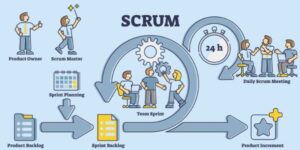
Agile development is becoming the method of choice for businesses looking to produce software fast and effectively. The Scrum Master is essential to maintaining cooperation, output, and ongoing development when teams use Scrum frameworks. There is more to integrating a Scrum Master into a development team than just giving them a title. It entails building trust, outlining roles, and fostering an atmosphere that allows Agile principles to flourish and promote long-term project success. FITA Academy supports learners in developing Agile project management, Scrum framework implementation, team collaboration, sprint planning, and stakeholder communication skills effectively.
Understanding the Role of a Scrum Master
A Scrum Master assists teams in successfully implementing Scrum methods by acting as a coach and facilitator. Rather, they eliminate barriers, direct Agile rituals, and promote cooperation. Their main objective is to assist the development team in becoming self-organized, efficient, and value-focused while consistently enhancing procedures and communication.
Assessing Team Readiness for Scrum
Organizations should assess if their team is ready to adopt Agile before appointing a Scrum Master. Examine existing project management procedures, communication strategies, and processes. Concepts like sprint planning, iterative development, and constant feedback should be understood by team members. Addressing issues and raising awareness may be accomplished by holding Agile workshops and talks. A well-prepared team is better able to adjust and reap the benefits of using Scrum. Scrum Master Certification in Chennai offering practical, industry-focused guidance in Agile methodologies, Scrum framework implementation, sprint planning, team collaboration, and project delivery.
Introducing the Scrum Master
Make sure all stakeholders understand the Scrum Master’s function before integrating them. Describe how they assist the team instead than managing it. The Scrum Master should monitor processes, comprehend difficulties, and cultivate connections with developers and product owners throughout the first stage. Trust is fostered and opposition is avoided through gradual integration. This method enables team members to see the Scrum Master as an important collaborator in accomplishing project objectives.
Building Effective Communication
Effective communication is critical to implementing Scrum successfully. By promoting candid conversations and openness, the Scrum Master assists in bridging gaps between engineers, product owners, and stakeholders. They lead discussions that make expectations, objectives, and requirements clear. Improved communication reduces miscommunication and increases the effectiveness of teamwork. B School in Chennai boosts employability by improving Agile project management, Scrum framework implementation, sprint planning, team collaboration, stakeholder communication, and project delivery skills. Open communication enables teams to address issues more quickly, make better choices, and stay in line with corporate goals across development cycles.
Establishing Agile Ceremonies
Scrum techniques are based on agile rituals. Sprint planning meetings, daily stand-ups, sprint reviews, and retrospectives are all coordinated by the Scrum Master. Planning, progress monitoring, feedback, and ongoing development are all made possible by these sessions. Every ceremony is kept productive and goal-focused by the Scrum Master. Participating in Agile events on a regular basis keeps teams organized, fosters better teamwork, and preserves a clear grasp of project priorities and objectives.
Defining Team Expectations
Scrum teams that are successful have well-defined expectations. The Scrum Master assists the team in defining roles, responsibility, and openness. Product owners should provide needs and priorities, and developers should be aware of sprint obligations. Early expectation setting clears up misunderstandings and enhances teamwork. Teams may operate more effectively and concentrate on producing excellent results within predetermined deadlines when everyone is aware of their position and contribution.
Addressing Common Challenges
One of the most frequent problems with integrating a Scrum Master is resistance to change. It’s possible that some team members are reluctant to embrace new processes or are not familiar with Agile techniques. Misunderstandings over obligations might also result from role confusion. Concerns should be addressed by the Scrum Master via open communication, mentoring, and education. We should also know about what are the challenges faced by a scrum master. They may assist teams in effectively adapting and overcoming implementation challenges by showcasing the advantages of Agile methods and promoting involvement.
Measuring Success
To assess how well Scrum Master integration is working, organizations should monitor important KPIs. Stakeholder input, team satisfaction, delivery consistency, and sprint completion rates are all useful metrics. Successful adoption is frequently indicated by improvements in productivity, teamwork, and communication. Frequent evaluations assist in pinpointing areas of strength and development. Measuring results helps teams maintain high performance and efficiency while guaranteeing that Agile techniques continue to serve business objectives.
Best Practices for Long-Term Success
The organization as a whole must be committed to ongoing improvement in order to sustain Scrum success. Promote frequent feedback, assist continued Agile learning, and recognize team accomplishments. When required, Scrum Masters should modify procedures while upholding fundamental Agile concepts. Leaders need to foster and promote departmental cooperation. Organizations may optimize the long-term advantages of Scrum and Agile development by cultivating a culture of learning, responsibility, and transparency.
Final Report
Collaboration, communication, and project delivery may all be greatly enhanced by adding a Scrum Master to your development team. Organizations may build a productive and efficient work environment by understanding the job, preparing the team, using Agile techniques, and proactively resolving obstacles. Agile adoption is a successful and fulfilling process for all parties involved when a well-integrated Scrum Master keeps teams focused on value delivery and continual improvement.